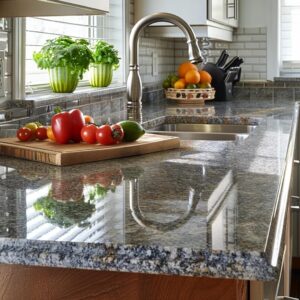
Granite countertop installation has become very popular in modern homes, especially for kitchen and bathroom remodeling projects. Granite is a natural stone that is not only beautiful but also very strong, durable, and long-lasting. Its natural patterns and colors make every slab unique, which provides the home with an overall classy and stylish feel.
Still, installing a granite countertop is not just about buying a slab and placing it in your home. Costs, the installation process and long-term care are all important elements that every homeowner should understand.
In this article, we will explain every aspect of granite countertop installation in detail so you can make an informed decision and get the maximum value from your investment.
What Granite Countertops Are and Why They Are Popular:
Granite is a natural igneous stone that forms deep inside the earth under intense heat and pressure. One of its main benefits is that it is very hard and heat-resistant. This is why granite countertops are considered ideal for kitchens where daily cooking takes place and hot pots and pans are commonly used.
Another main reason for granite’s popularity is its natural beauty. Every slab has a slightly different pattern and color, which makes every countertop really unique. People also prefer granite because it increases a home’s resale value and does not feel old-fashioned over time.
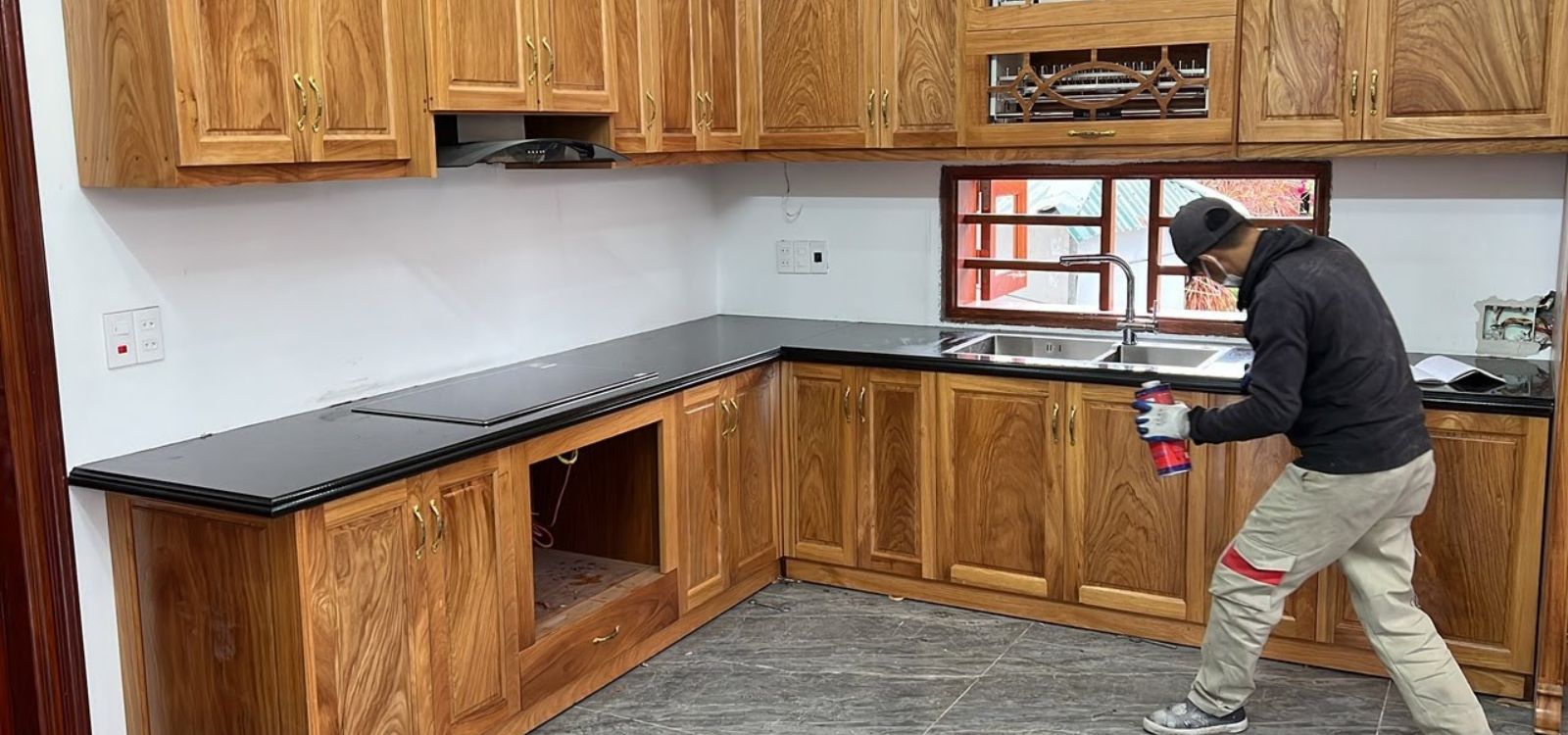
Estimating the Overall Cost of Granite Countertop Installation:
The cost of granite countertop installation depends on many elements. The first element is the kind and quality of the granite. Some granite colors and patterns are special and therefore more expensive, while common granite options are more affordable.
Another important element is the size and thickness of the countertop. The larger the area to be covered, the more material and labor will be required. Installation costs commonly include fabrication, cutting, edge finishing, sink cut-outs and final fitting.
Location also affects the total cost because labor rates and transportation charges vary from area to area. That is why getting a detailed quotation before installing granite countertops is important to avoid surprises later.
The Granite Slab Selection Process:
The first step in granite countertop installation is selecting the slab. This method is commonly exciting because it sets the future look of your kitchen or bathroom. Granite slabs are commonly available at stone yards or showrooms where you can see a wide range of colors, patterns and finishes.
When considering a slab, it is important to consider not only the color but also the veins, spots and natural movement in the stone. It is always better to see the slab in person because photos may look slightly different from the actual stone.
At this step, guidance from a fabricator is very helpful, as they can recommend which slab will best match your space and cabinets.
The Measurement and Templating Stage:
Once the slab is finalized, the next step is taking measurements. Measurements play an important role in granite countertop installation because granite is a hard material that is difficult to adjust later. Skilled fabricators commonly visit the site after the cabinets are installed to take correct measurements.
Digital templating systems are commonly used to capture every corner and bend correctly. The plan of this method is to guarantee a perfect fit so that there are no gaps or adjustment issues during installation.
Daily Use and Care of Granite Countertops:
Granite countertops are suitable for daily use, but they still require basic care. For everyday cleaning, using mild soap and a soft cloth is the best option. Spills should be cleaned quickly, especially acid materials like lemon juice or vinegar.
Granite is heat-immune, but it is still wise to avoid too much heat to reduce stress on the surface. Using a cutting board for food preparation is also suggested to keep the surface scratch-free.
Long-Lasting Maintenance and Resealing:
The long-lasting beauty of granite countertops depends on proper maintenance. Over time, the sealer wears off, making resealing necessary. The timing of resealing depends on the type of granite and how regularly the countertop is used, but resealing is commonly suggested every one to two years.
Harsh chemicals and harsh cleaners should be avoided because they can dull the surface. If stains or scratches show, skilled polishing and repair services can restore the countertop’s look.
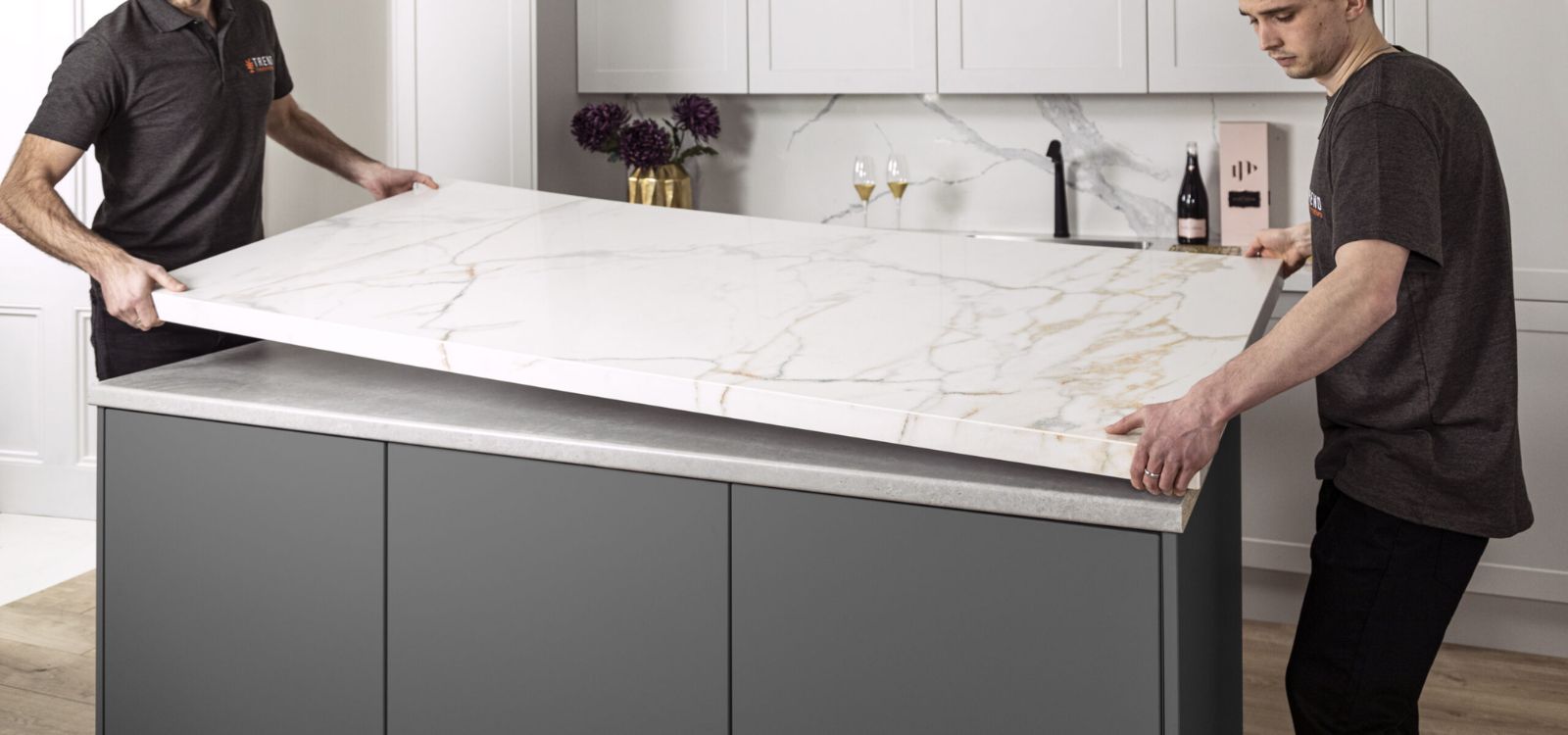
Durability and Longevity of Granite Countertops:
One of the greatest strengths of granite countertops is their durability. When properly installed and maintained, granite countertops can last for years. They manage scratches, heat and daily wear and tear very well.
This is why granite is considered a long-lasting investment that maintains its value and look over time. With proper care, a granite countertop can become a lifetime feature in your home.
Granite Countertops and Home Value:
Granite countertops have a positive impact on a home’s resale value. Buyers commonly consider natural stone surfaces like granite to be the first choice. A well-installed and well-maintained granite countertop makes kitchens and bathrooms stand out.
If you plan to sell your home in the future, granite countertops can be a smart improvement that provides a good return on investment.
Conclusion:
Granite countertop installation is an important and valuable decision that greatly affects your home’s look, functionality and value. Understanding every step, from costs and installation to long-lasting care, is important for making an informed choice.
Granite’s natural beauty, strength and durability make it a timeless option that improves your home for many years. By selecting the right slab, hiring skilled experts and focusing on proper care and maintenance, granite countertops can become a long-lasting and very satisfying investment for your home.